
SWSC 1 - 3 Supporting Teaching and Learning
City Centre Campus, Dumballs Road, Cardiff, CF10 5FE
+44 (0)2920 250 250
info@cavc.ac.uk
This is not a real website is it part of a student's course work, nothing should be taken verbatim. All external links are to CAVC.
External Professionals
Educational Psychologist
Key Responsibilities:
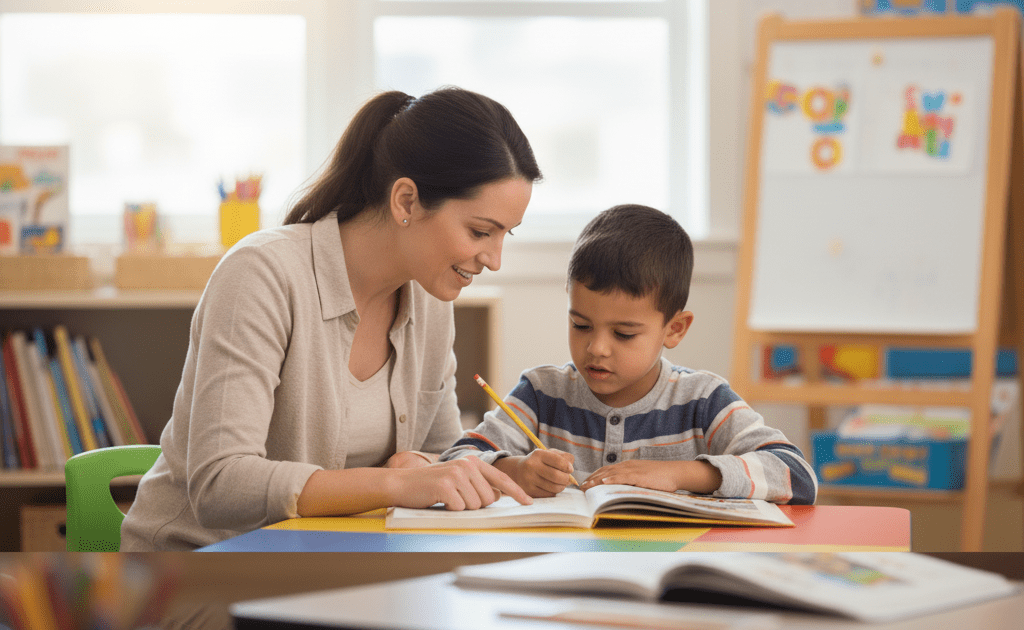
- Assesses individual pupils who are struggling with learning, using psychology and child development knowledge, often through observations or tests in school.
- Gives direct advice to head teachers and school staff on how to support specific pupils (e.g., changing teaching methods or classroom setup).
- Provides training sessions for school staff to build skills in supporting children with specific needs and improving learning for all pupils.
- Advises on target setting for pupils’ learning plans (e.g., Individual Education Plans) but does not create or implement the plans – that stays with school staff.
- Works with the school to ensure the whole child’s needs are considered so they can fully join class activities, school life, and the community.
In a school setting, an educational psychologist assesses pupils experiencing learning difficulties using psychological tools and child development expertise, then provides targeted advice to head teachers and staff on adapting teaching approaches, classroom environments, curriculum materials, or behaviour support strategies. They deliver training sessions to help school teams build skills for supporting children with specific needs and enhancing overall learning, while advising on realistic target setting within pupils’ individual learning plans—though they do not create or implement these plans themselves. By focusing on the whole child, they ensure pupils can fully participate in class activities, school life, and the wider community.
Speech and Language Therapist
Key Responsibilities:
- Identifies pupils at risk of communication difficulties in school and works to prevent issues, keeping them in mainstream classes where possible (or using small groups outside class if needed).
- Assesses pupils’ communication skills in school using tests and observations, then uses results to help create Individual Education Plans (IEPs).
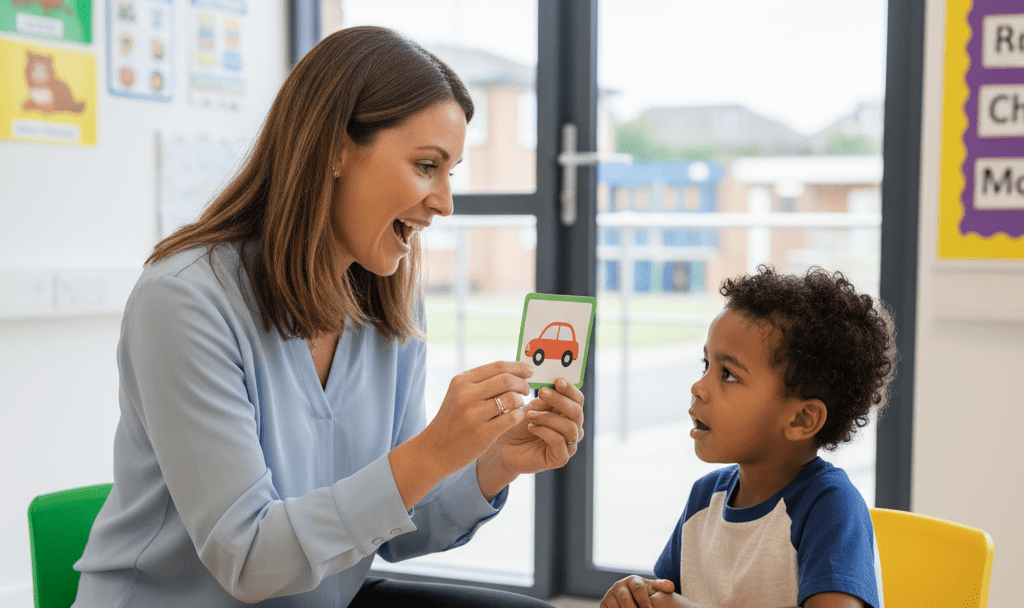
- Helps implement IEPs by working directly with pupils on speech, language, voice, stuttering, articulation, or swallowing issues during school time.
- Supports teams of school staff to adapt the curriculum to build communication skills across the whole class or school.
- Keeps daily notes on progress in school, shares updates with parents, and collaborates with teachers and other professionals on care plans.
In a school setting, a speech and language therapist identifies pupils at risk of communication difficulties and works to prevent issues, keeping children in mainstream classes wherever possible or using small withdrawal groups when more effective. They assess pupils’ speech, language, voice, stuttering, articulation, or swallowing skills using tests and observations in school, then contribute to developing and implementing Individual Education Plans (IEPs) based on their findings. Therapists deliver direct one-to-one or small-group support to pupils during school hours, while collaborating with teachers to adapt the curriculum and build communication skills across the whole class or school population. They maintain daily progress notes, share updates with parents, and work alongside other professionals to ensure consistent care plans.
Education Welfare Officer
Key Responsibilities:
- Visits the school regularly (each school has a named EWO) to meet with the head teacher or senior staff about pupils with poor attendance.
- Checks school registers for correct completion and looks for absence patterns that might signal problems.
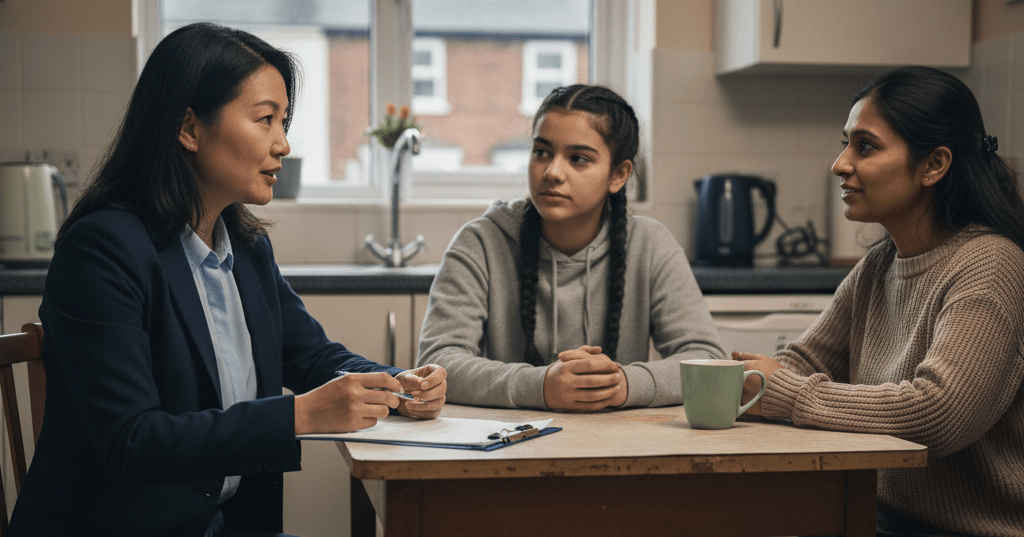
- When a pupil is referred by the school, the EWO arranges home visits to discuss attendance issues with families and find solutions.
- Works with the school and families to ensure every child receives full-time education, either by improving attendance or supporting approved home education.
In a school setting, an Education Welfare Officer (EWO), employed by the local council, visits regularly to meet with the head teacher or senior staff and discuss pupils with irregular attendance, while inspecting registers for accurate completion and patterns that may indicate underlying issues. When a pupil is referred by the school, the EWO arranges family meetings—often at home—to address attendance concerns and explore solutions, ensuring every child receives full-time education either through improved school attendance or approved home education alternatives.
Social Services
Key Responsibilities:
- Identifies needs (social, emotional, behavioural) that affect learning by working with pupils, parents, and school staff.
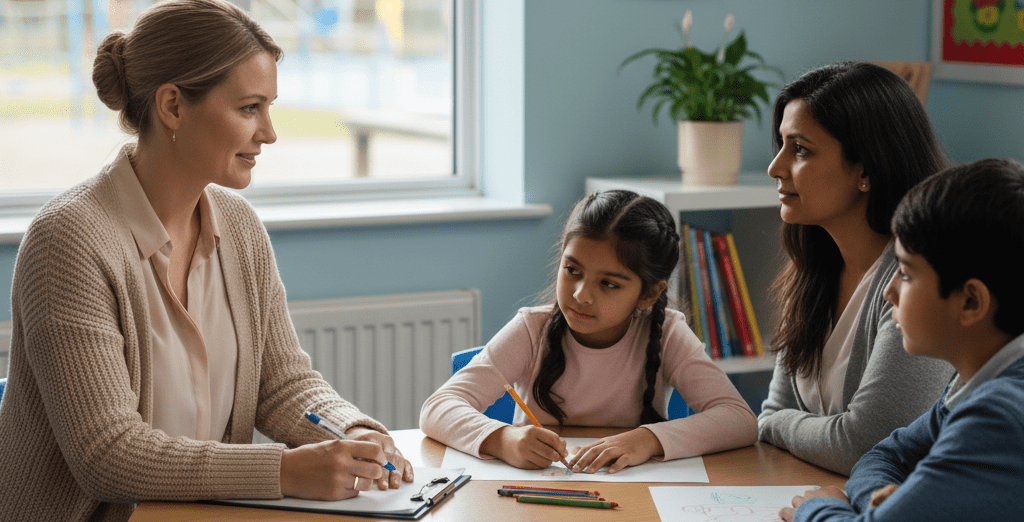
- Meets one-on-one with pupils in school to address issues like peer relationships, behaviour, or problems at home/community; helps develop coping strategies and social skills.
- Runs small groups in school (e.g., social skills, friendship, boys’/girls’ groups) to support multiple pupils at once.
- Part of the Additional Learning Needs team: joins meetings, helps with assessments, communicates with parents, and acts as a resource for staff and families.
- Links families to resources such as food, housing, medical help, clothing, tutoring, counselling, or domestic abuse support – often coordinating through the school.
- Provides assessment, consultation, and direct/indirect services to bridge home, school, and community for pupil success.
In a school setting, a school social worker (from social services) identifies social, emotional, or behavioural needs that hinder learning by consulting with pupils, parents, and staff; they then provide one-to-one support sessions in school to help pupils manage issues like peer relationships, behaviour, or home/community difficulties, while building coping strategies and social skills. As part of the Additional Learning Needs team, they attend meetings, contribute to assessments, and communicate with parents/guardians to coordinate support. They also run targeted small groups (such as social skills or friendship groups) during school time and connect families to essential resources—including food, housing, medical care, clothing, tutoring, counselling, or domestic abuse support—bridging home, school, and community to maximise pupil success.